
Inside Vail Resorts: How America's Largest Ski Resort Operator Lost Its Edge
Vail Resorts built the most powerful business model in skiing. Now slowing growth, overcrowded mountains, and declining snowfall are starting to expose its biggest weaknesses.
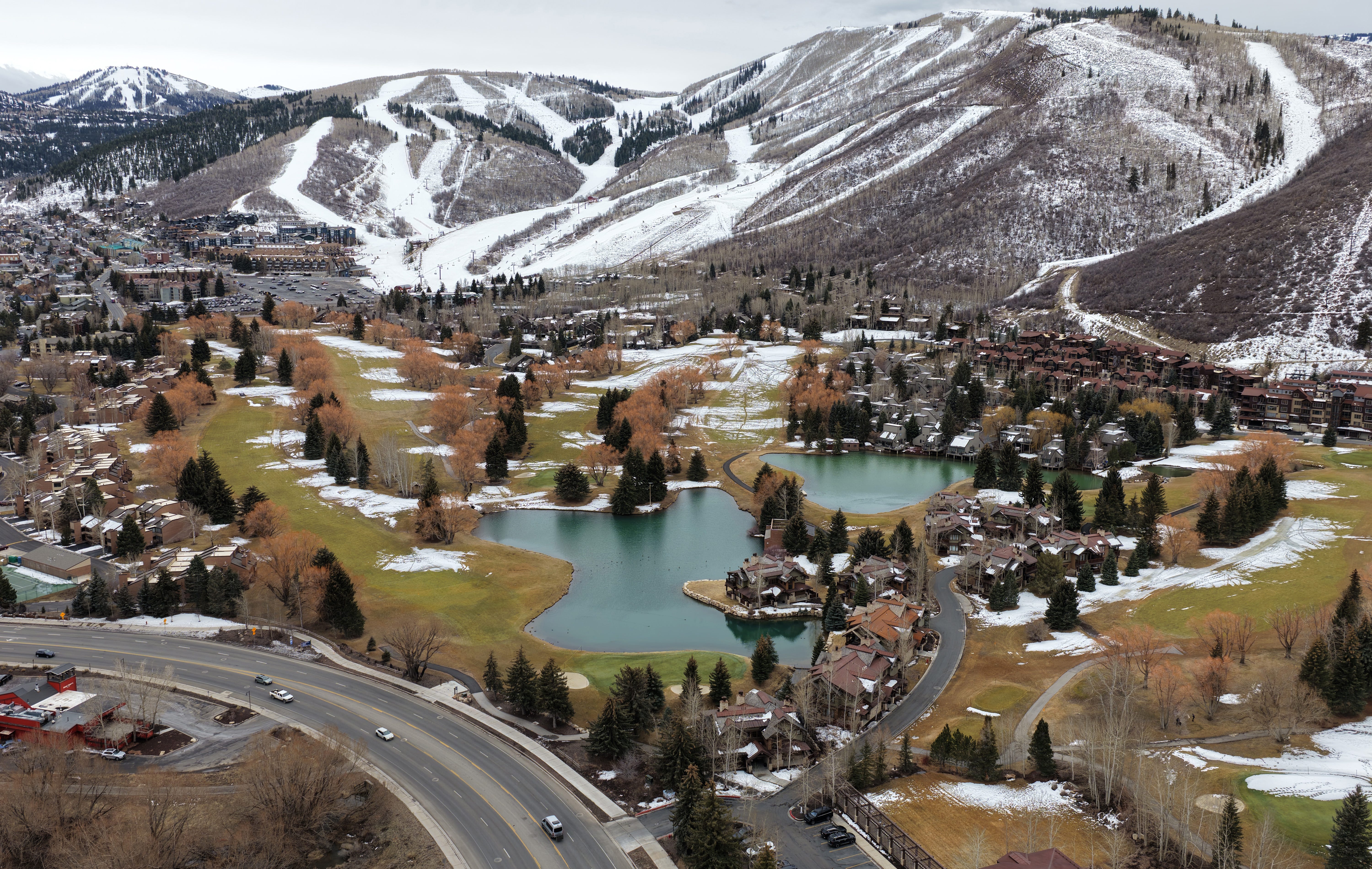
Vail Resorts is the world’s largest ski resort operator, owning and operating 42 mountain resorts across four countries, including popular destinations like Park City, Whistler Blackcomb, Stowe, Beaver Creek, Keystone, and Breckenridge.
Run by former private equity executive Rob Katz, Vail’s collection of properties has provided the company with economies of scale. Vail’s revolutionary Epic Pass — a $1,089 season-long ski pass that grants unlimited access to all 42 Vail resorts worldwide — now generates about 65% of total lift revenue, guaranteeing the company nearly $1 billion in annual revenue before a single snowstorm hits.
Yet despite owning some of the industry’s most irreplaceable assets and a unique business model that combines revenue predictability with weather hedging, Vail’s stock has declined 55% over the last five years while the S&P 500 has risen by more than 70% over the same period. In fact, Vail’s stock has performed so poorly that, excluding the COVID-19 market crash, it’s now at its lowest level in 10 years.
And last quarter, the numbers got worse. Facing one of the lowest snowfalls in 30 years at its Colorado and Utah resorts, Vail saw declines across the board: skier visits dropped 12%, dining revenue dropped 9%, ski school revenue dropped 8%, lift revenue dropped 4%, net revenue dropped 5%, and net income dropped 14%.
Insiders will tell you that these numbers aren’t all that bad. They’ll say that Vail’s Epic Pass insulated the business from weather-related disasters, and that every business unit will recover once snowfall returns to normal levels next year.
But let’s not kid ourselves: Vail’s publicly traded stock has been in a free fall for several years now because the company’s private-equity-style obsession with increasing profitability has squeezed every dollar out of its target customer base.
So for today’s newsletter, we’re going to dig deep into the numbers. We’ll start by exploring how Vail’s business model actually works and why the Epic Pass initially succeeded. But then I want to discuss Vail’s future, including how the company’s greed has destroyed its customer acquisition funnel, why the Epic Pass is experiencing structural decline, and how poor weather might only worsen.
Let’s get into it…